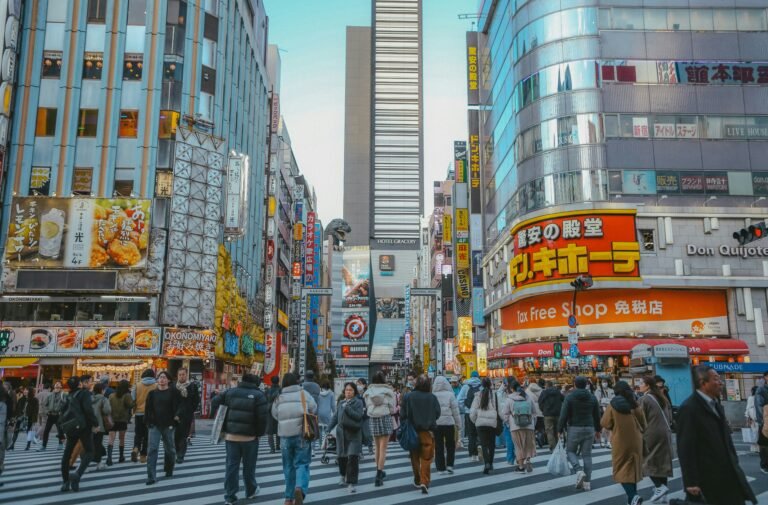





France can be an interesting destination for international workers, but finding a job is only one part of the process. For someone living outside the European Union, the bigger questions are often: Which type of work is realistic? Which regions should I consider? How important is French? What does the employer have to do? And how can I avoid fake recruitment offers?
France has several professional immigration routes rather than one universal “work visa.” France-Visas separates salaried employment, seasonal work, self-employment, international talent, intra-company mobility and other professional situations.
This guide takes a different approach from a simple list of “jobs + visa + salary.” It focuses on how an overseas applicant can realistically evaluate the French employment market.
France Is More Than Paris
When international applicants search for France jobs, they often focus almost entirely on Paris.
That can be a mistake.
France has major employment centers outside the capital, including cities and regions associated with:
- Technology
- Manufacturing
- Automotive
- Aerospace
- Tourism
- Agriculture
- Logistics
- Healthcare
- Engineering
- Food production
Depending on your profession, a smaller city may offer a better combination of employment opportunities and living costs than central Paris.
A job seeker should therefore search by occupation + region, rather than simply searching “jobs in France.”
For example:
- Software developer in Lyon
- Mechanical engineer in Toulouse
- Hospitality jobs in Nice
- Manufacturing jobs in Lille
- Agricultural jobs in Provence
- Logistics jobs near major transport centers
The French Language Can Change Your Job Search
One of the biggest differences between France and some other international job markets is the importance of French.
An English-speaking applicant may find opportunities in international companies, technology, research, tourism and certain multinational workplaces.
But French can become extremely important when the job involves:
- Customers
- Patients
- Elderly people
- Local businesses
- Government organizations
- Retail
- Hospitality
- Construction teams
You do not necessarily need perfect French before beginning your job search.
However, learning practical workplace French can make your application much stronger.
Useful skills include being able to:
- Introduce yourself professionally
- Understand workplace instructions
- Read basic employment documents
- Communicate with colleagues
- Speak with customers
- Explain your previous experience
Which Applicants Are More Competitive?
A foreign applicant is generally in a stronger position when they can demonstrate something an employer genuinely needs.
That could be:
Technical expertise
For example, software development, engineering, machine operation or industrial maintenance.
Professional qualifications
A recognized qualification can be particularly important in regulated occupations.
Experience
Several years of relevant work experience can distinguish an applicant from someone with no practical background.
Language ability
French plus English can be useful in many workplaces.
Specialized skills
Employers may be more interested in a candidate who can perform a specific task than someone who simply wants to move to France.
Technology Professionals
France has a significant technology and digital economy.
International applicants can explore roles such as:
- Software development
- Cloud computing
- Cybersecurity
- Data analysis
- AI
- Systems administration
- IT consulting
- Product development
Highly qualified professionals may also have access to France’s international-talent immigration routes.
France-Visas describes several talent categories, including highly qualified employees, researchers and certain employees working for innovative companies.
For a technology professional, the best application is usually not simply “I want a job in France.”
Instead, demonstrate:
What can I build? What problems can I solve? What technologies do I know? What results have I achieved?
Engineering and Industrial Careers
France has a substantial industrial base.
Foreign professionals can investigate opportunities related to:
- Mechanical engineering
- Electrical engineering
- Industrial engineering
- Automotive
- Aerospace
- Manufacturing
- Energy
- Construction
- Maintenance
For these careers, an applicant should include specific technical knowledge rather than using vague statements such as “I am hardworking.”
For example, mention:
- Machinery
- Software
- Engineering systems
- Certifications
- Projects
- Years of experience
- Industry specialization
Tourism and Hospitality
France’s tourism industry creates employment across hotels, restaurants and tourism businesses.
Potential roles include:
- Chef
- Cook
- Hotel employee
- Housekeeper
- Restaurant staff
- Kitchen assistant
- Guest services
- Seasonal tourism worker
This is one area where language ability can make a major difference.
Someone who speaks French and English may have an advantage in customer-facing roles compared with an applicant who speaks only English.
Seasonal Work: A Different Route
Seasonal employment should not be confused with ordinary permanent employment.
France-Visas specifically recognizes seasonal work connected with activities such as agriculture and tourism. Foreign seasonal workers are generally limited to working in France for a maximum of six months within a 12-month period under this route.
This can be relevant for people looking for:
- Harvest work
- Farm work
- Vineyard work
- Tourism
- Seasonal hospitality
However, applicants should read the contract carefully.
A seasonal job does not automatically mean permanent employment or permanent residence.
Agriculture and Vineyard Employment
Agriculture can be particularly relevant in rural areas.
Possible work includes:
- Fruit harvesting
- Vegetable production
- Vineyard work
- Greenhouse work
- Farm assistance
- Packing and agricultural processing
These jobs can be physically demanding and may involve specific working seasons.
Before accepting an offer, ask:
- Where is the farm?
- How long is the contract?
- What are the working hours?
- Is accommodation available?
- How is transportation arranged?
- What deductions will be made from wages?
Never rely only on a social-media advertisement.
Healthcare Requires Extra Attention
Healthcare can be attractive to international professionals, but it is not simply a matter of finding a vacancy and travelling to France.
Certain professions are regulated and may require professional recognition or authorization before the person can practice.
France-Visas specifically notes that certain professions, including doctors and teachers, have additional conditions before they can carry out their activity.
Therefore, a healthcare applicant should research both:
- Immigration requirements
- Professional recognition requirements
Ignoring the second issue can cause major problems even after obtaining an employment opportunity.
What Does the Employer Do?
This is an important point for non-EU applicants.
For many standard salaried recruitments, the French employer has to obtain prior work authorization from the French administration.
France-Visas states that an employer recruiting a foreign employee generally needs to request this authorization before the worker applies for the visa, subject to applicable exemptions.
This is why a genuine employer is an important part of the process.
A recruiter telling you:
“Just pay us and your France work visa is guaranteed”
is not the same thing as having a genuine French employer and a legitimate employment procedure.
What About Highly Qualified Workers?
France has specific routes designed to attract international talent.
The current France-Visas information includes categories for highly qualified employees, researchers, employees of innovative companies and certain intra-group employees. Some of these routes can provide multi-year residence arrangements.
For example, the current France-Visas information describes an EU Blue Card route for certain highly qualified employees with a sufficiently long employment contract, appropriate higher education or comparable professional experience, and a specified salary threshold.
This demonstrates why applicants should choose their immigration route after understanding their actual job and qualifications, rather than searching for a generic “France sponsorship visa.”
Can Someone Start a Business in France?
Employment is not the only professional route.
France also has immigration provisions for certain self-employed people and liberal professionals.
Applicants who want to establish a business need to demonstrate that their project is economically viable and meet the applicable requirements.
This can be relevant to entrepreneurs, consultants and professionals who are not looking for traditional employment.
France Jobs for Applicants From Pakistan
People applying from Pakistan should use the official France-Visas information specific to Pakistan.
The French Embassy in Islamabad examines visa applications submitted in Pakistan, and France-Visas provides country-specific instructions for applicants.
A Pakistani applicant should therefore avoid relying entirely on an agent’s explanation of the process.
Check:
- The employer
- The employment contract
- Work authorization
- Visa category
- Required documents
- Application procedure
directly through official sources.
How to Recognize a Genuine Job Offer
Before sending documents or money to a recruiter, investigate the offer.
A legitimate offer should give you enough information to identify:
Employer → Position → Duties → Salary → Location → Contract → Immigration process
Be cautious if the advertisement only says:
“France job available — high salary — visa guaranteed.”
but gives no verifiable employer or job description.
Other warning signs include:
- Pressure to pay immediately
- No interview
- Fake-looking company documents
- Requests for payment to a personal account
- Guaranteed visa promises
- Salary that seems unrealistic
- Refusal to provide a proper employment contract
A Better Way to Search for France Jobs
Instead of searching for one huge category, divide your search.
If you are a professional
Search:
occupation + France + employer
Example:
Software Engineer France international company
If you are a skilled worker
Search:
trade + French city/region
Example:
Electrician jobs Lyon France
If you want seasonal work
Search:
season + occupation + France
Example:
seasonal agricultural jobs France
If you are already experienced
Search for jobs based on your actual specialization rather than simply “jobs for foreigners.”
This approach produces more relevant vacancies.
What Should Your CV Look Like?
A foreign applicant’s CV should answer one question quickly:
Why should this French employer interview me?
Include:
- Professional title
- Years of experience
- Key skills
- Education
- Certifications
- Previous employers
- Major achievements
- Language skills
- Contact details
Avoid filling the CV with unrelated information.
For technical jobs, list actual technologies, equipment or systems you have worked with.
For hospitality jobs, emphasize customer service, hotel systems and language ability.
For construction jobs, mention your trade, equipment experience and certifications.
What Happens After a Job Offer?
The exact process depends on the job and immigration category.
For many recruited employees, the employer must complete the required work-authorization process. The worker then follows the appropriate visa procedure with the supporting documentation.
France-Visas provides an online tool that helps applicants determine their situation and identify the documents required for their visa application.
This is much safer than following an unofficial checklist from an unknown agent.
France Is Not One Job Market
This is perhaps the most important lesson for an overseas applicant.
France should not be viewed as one giant job market.
A software engineer, vineyard worker, nurse, hotel employee and mechanical technician will have completely different:
- Employers
- Locations
- Salaries
- Qualifications
- Language requirements
- Immigration procedures
So the strongest strategy is to begin with your profession, then identify suitable French employers, and finally determine the immigration route.
Final Checklist Before Applying
Before accepting a France job, make sure you can answer:
- Who is the employer?
- Where is the workplace?
- What exactly will I do?
- What is the salary?
- How many hours will I work?
- Is the contract temporary or permanent?
- Is accommodation provided?
- Does the occupation require professional recognition?
- Who is handling the work authorization?
- Which visa/residence route applies?
- What documents do I need?
If you cannot answer these questions, do more research before paying money or booking travel.
Useful Official Resources
For the most reliable information, start with the French government’s official visa system:
France-Visas — Official French Visa Portal
France-Visas — Professional Activities
France-Visas — International Talent Routes
For applicants in Pakistan:
And for discovering international vacancies:
804Job.com — International Jobs
Final Thoughts
Working in France can be a realistic goal for qualified foreign workers, skilled tradespeople, seasonal workers, professionals and entrepreneurs, but success depends on finding the right opportunity and the right legal route.
Instead of looking only for “France visa sponsorship,” applicants should focus on finding a genuine employer, understanding the job requirements, checking professional recognition where necessary, and following the official immigration process.
France offers different pathways for salaried employees, seasonal workers, international talent and self-employed professionals, so the best route depends on the individual’s circumstances.
This article is general information, not immigration or legal advice. Visa and employment rules can change, so applicants should verify the latest requirements through official French government sources before making decisions.